
Build an approval‑ready credit profile
Understand what’s driving your credit decisions, identify items that may be unfair or inaccurate, and take a structured next step toward stronger approvals and better terms.
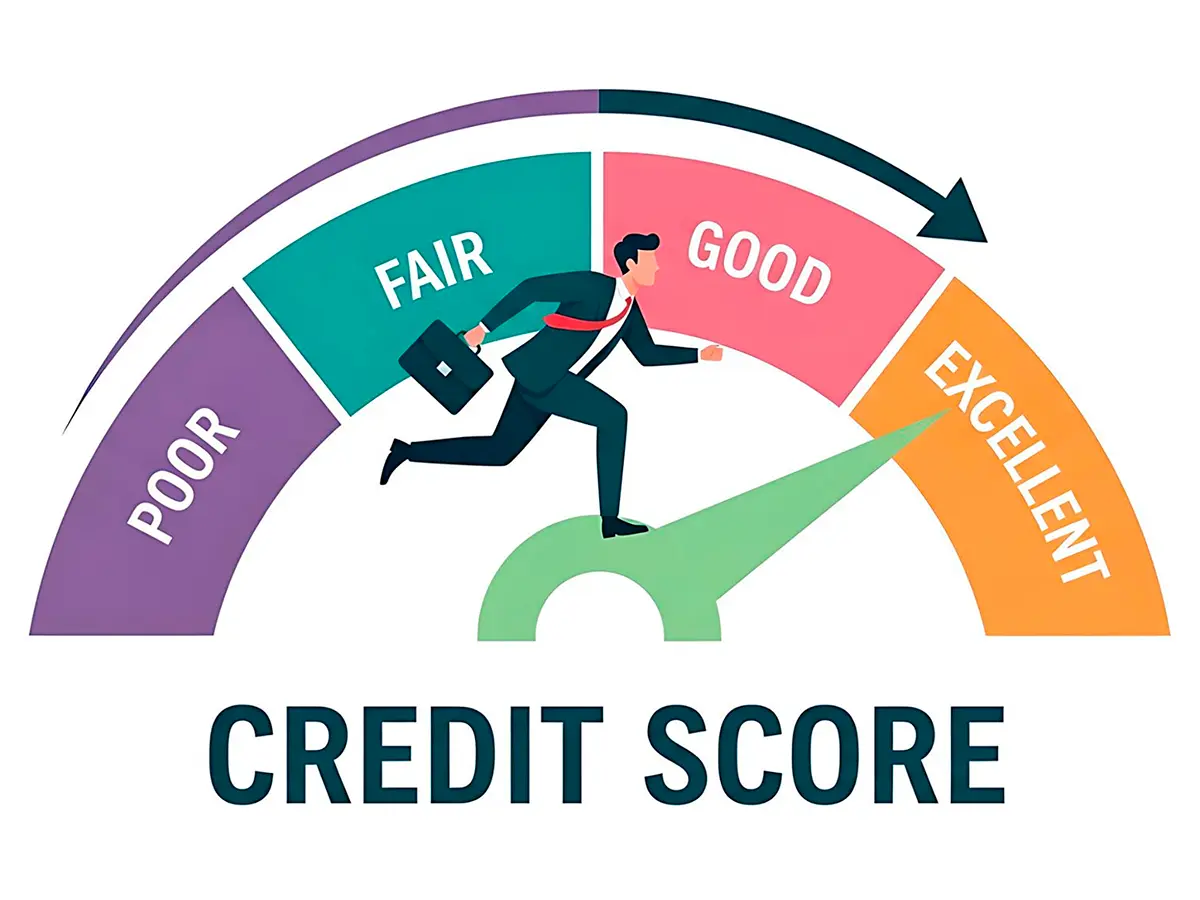
Built around established U.S. credit reporting practices and dispute procedures under the Fair Credit Reporting Act (FCRA). No unrealistic promises—just clarity, documentation, and structured credit improvement.
Unlock more options
Choose the outcome you care about. We’ll outline what improves it—and what to watch for—so you can move forward with confidence.
Your path to stronger credit
A stronger credit profile can mean better approval odds, improved loan terms, and more financial flexibility. Get a clear, no-fluff overview of what credit improvement can help you achieve — then take the next step when you're ready.
Credit decisions in the U.S. are typically influenced by payment history, utilization ratios, account age, recent inquiries, and the accuracy of reporting across major credit bureaus.
Even small inconsistencies can affect lending algorithms. A structured credit improvement approach focuses on verified data, responsible usage patterns, and consistent financial behavior.
*Results vary. This page does not guarantee outcomes.
How it works
A straightforward workflow used by reputable credit‑support programs: review, challenge what’s questionable, and build stronger habits while updates are processed.

Review your starting point
Clarify your goal and look at what’s currently affecting approvals and terms.

Identify what can be challenged
See what information is typically needed, what to expect next, and how the workflow usually looks.

Move forward
Continue to explore available options and take the next step toward better credit outcomes.
credit score increase calculator for faster planning
I'm in explorer-mode, chasing efficiency and fresh insight rather than guesswork. A credit score increase calculator helps me test tiny moves before I act: pay this balance now or next week, shift a limit here, or dispute an error there. The goal is timing decisions so effort turns into points when they matter most.
What it really models
Most calculators echo the major score factors: payment history, revolving utilization, age of accounts, credit mix, and new credit. They can't see every nuance, but they do illuminate leverage. I treat results as directional - useful for ranking actions, not for predicting a precise number.
- Balances on each credit card and total credit limits
- Any late payments or collections that might be removed
- Age of your oldest and newest accounts
- Planned actions: pay-downs, credit line increases, disputes, or adding accounts
- Timing windows (days until next statement closes)
A quick 8-minute plan
- Enter each card's balance and limit; watch the utilization dial.
- Toggle a one-time payment to see which card drop yields the biggest simulated lift.
- Model asking for a credit line increase instead of paying more cash - compare outcomes.
- Simulate removing a single late mark (if legitimately disputable) to test impact.
- Note the next statement dates; prioritize actions that post before those cutoffs.
Real-world moment: on a lunch break, I nudged a slider to knock one card from 68% to 28% utilization. The projection said "small but meaningful bump." I paid that target card only, then waited for the statement to cycle. Two weeks later, the actual score shift landed close enough to justify the move. (Skeptical-aside: I'm wary of flashy "+100 overnight" promises; the math is calmer than the marketing.)
Where estimates help - and where they don't
- Helpful for prioritizing which balance to hit first, and by how much.
- Good for timing: paying before the statement closes often beats paying after.
- Shaky on hard inquiries, thin files, or complex derogatories - outcomes vary.
- Data lags matter: creditors typically report monthly, not instantly.
- Closing an old card may look neutral in a model yet trim your average age for years.
Levers with the biggest payoff
- Revolving utilization: Target any card over 30% first; under 10% overall is often ideal.
- Statement timing: Pay before the closing date so the reported balance is low.
- Limit reallocation: A soft-pull credit line increase can lower utilization without cash.
- Error cleanup: Dispute inaccuracies; a single corrected late can shift tiers.
- Sequence wisely: If a major loan is near, avoid new accounts that add inquiries and reduce average age.
- Low-friction habits: Small recurring charges plus autopay keep activity clean without surprises.
For decision-timing, I watch rate breakpoints. Crossing certain score tiers can change loan offers; the calculator shows whether I'm 5 points or 25 away and which move gets me there fastest.
Interpreting the readout
If you're a few points short, a targeted pre-statement payment on the highest-utilization card is usually the fastest lever. If you're many points short, combine actions: utilization plus verified error removal and patient aging. Expect results to appear after creditors report - often days to weeks. Treat the tool as a compass, then verify with an actual soft-pull score before big applications.
Explore, adjust, confirm. Let the calculator sharpen your next step, then let real reporting seal the outcome. That's the quiet path from uncertainty to momentum - efficient, measured, and timely.
... credit line increases and loans. Your credit score is most often used when you apply for financing, such as a new loan or credit card. However, some ...
Fair Isaac does not provide "credit repair" services or advice or assistance regarding "rebuilding" or "improving" your credit record, credit history or credit ...
Get a credit limit increase. Change my payment habits.
Frequently asked questions
A clear next step — without the guesswork
See what’s impacting approvals and what may deserve a closer look.
Understand how disputes are structured and what documentation matters.
Improve utilization, consistency, and long-term credit stability.
See what improving your credit could change
Take a structured next step based on your current profile — and decide with clarity.